Table of Contents
Toggle10 TYPES OF SEO IN DIGITAL MARKETING STEP BY STEP
Here are the main types of SEO in digital marketing
Learn the types of SEO in digital marketing, including on-page, off-page, technical, local, and content SEO to improve website rankings.
1. On-Page SEO
On-page SEO refers to optimizations done inside your website.
Includes:
-
Keyword research & usage
-
Title tags & meta descriptions
-
Headings (H1, H2, H3)
-
URL structure
-
Internal linking
-
Image optimization (ALT text)
-
Content quality & keyword relevance
Example: Optimizing a blog post for “types of SEO in digital marketing”
2. Off-Page SEO
Off-page SEO focuses on actions taken outside your website to improve authority.
Includes:
-
Backlinks (link building)
-
Guest posting
-
Brand mentions
-
Social sharing
-
Influencer outreach
Example: Getting high-quality backlinks from authority websites
3. Technical SEO
Technical SEO ensures search engines can crawl, index, and understand your website properly.
Includes:
-
Website speed optimization
-
Mobile-friendliness
-
XML sitemap
-
Robots.txt
-
HTTPS (SSL)
-
Structured data (Schema)
-
Fixing crawl errors
Example: Improving Core Web Vitals
4. Local SEO
Local SEO helps businesses appear in local search results.
Includes:
-
Google Business Profile optimization
-
Local citations (NAP consistency)
-
Local keywords
-
Reviews & ratings
-
Location-based pages
Example: Ranking for “SEO services near me”
5. E-commerce SEO
SEO specifically for online stores.
Includes:
-
Product page optimization
-
Category page SEO
-
Schema for products
-
Image SEO
-
Site architecture
-
Duplicate content handling
Example: Optimizing a product page on Shopify
6. Content SEO
Focuses on creating and optimizing valuable content for users and search engines.
Includes:
-
Blog writing
-
Content clusters
-
Pillar pages
-
Search intent optimization
-
Content freshness
Example: Writing long-form SEO blogs
7. Mobile SEO
Optimizing your website for mobile users.
Includes:
-
Responsive design
-
Mobile page speed
-
Mobile UX
-
Avoiding intrusive pop-ups
Example: Mobile-friendly website optimization
International SEO
Used when targeting multiple countries or languages.
Includes:
-
Hreflang tags
-
Country-specific domains
-
Language targeting
-
International keyword research
Example: Ranking in multiple countries
9. Voice Search SEO
Optimization for voice-based searches.
Includes:
-
Conversational keywords
-
Question-based queries
-
Featured snippets
-
Local optimization
Example: “Hey Google, what is SEO?”
10. White Hat vs Black Hat SEO
White Hat SEO (Recommended )
-
Ethical SEO practices
-
Follows Google guidelines
-
Long-term results
Black Hat SEO (Not recommended )
-
Keyword stuffing
-
Cloaking
-
Spam backlinks
-
Hidden text
The types of SEO in digital marketing play a crucial role in making a website more visible, powerful, and search-engine friendly. When we understand the different types of SEO in digital marketing, such as On-Page SEO, Off-Page SEO, and Technical SEO, it becomes easier to optimize content, improve ranking, and build online authority.
These types of SEO in digital marketing help improve website structure, keyword optimization, backlinks, loading speed, and user experience, ensuring better performance on Google and other search engines. By focusing on the right types of SEO in digital marketing, businesses can attract more traffic, reach the right audience, and create a strong digital presence.v
OK, NOW WE KNOW THE TYPES OF SEO IN DIGITAL MARKETING. BUT MANY OF US DONT KNOW CLEARLY WHAT IS SEO,
WHAT IS SEO? A COMPLETE GUIDE FOR BNEGINNERS
SEO, or Search Engine Optimization, is the process of improving a website so that it appears higher in search engine results like Google, Bing, or Yahoo. The goal of SEO is to make a website more visible to people who are searching for information, products, or services online. By optimizing content, website structure, and other factors, SEO helps attract organic traffic—visitors who find your website naturally, without paid ads.
In short, SEO ensures that your website is easier for search engines to understand and more useful for users, which increases the chances that people will visit, stay, and take action on your site.
SEO is important in digital marketing because it enhances visibility, increases traffic, and strengthens a brand’s online presence.

SEO (Search Engine Optimization) is the process of improving a website so it ranks higher on search engines like Google, Bing, and Yahoo. When someone searches for a product, service, or information online, search engines use complex algorithms to decide which websites appear first.
SEO helps search engines understand your website and its content, making it easier for users to find your site naturally, without paying for ads. We should optimize all SEO tools for good result for our webpage.
WHY SEO MATTERS?
Increase Organic Traffic: SEO helps your website attract visitors who are actively searching for what you offer.
Build Credibility: Websites that rank higher are often seen as more reliable and authoritative.
Cost-Effective: Unlike paid ads, SEO brings long-term traffic without continuous spending.
Target the Right Audience: SEO allows you to reach users who are already interested in your products or services.
Improve User Experience: Optimizing your website for SEO also makes it easier for visitors to use and navigate.
Key Components of SEO
We have already mentioned about types of seo in digital marketing at the starting page, and now we are going to explain key components of seo
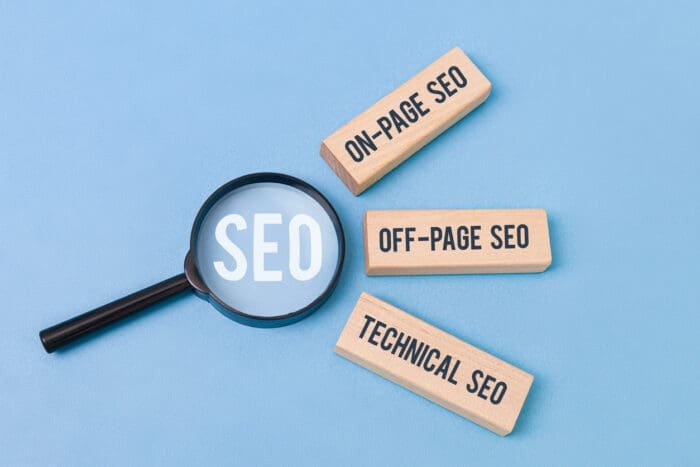
On-Page SEO: Optimizing content, titles, meta descriptions, headings, URLs, and images on your website.
Off-Page SEO: Building backlinks, social media engagement, and mentions from other websites to improve credibility.
Technical SEO: Ensuring your website is fast, mobile-friendly, secure (HTTPS), and easy for search engines to crawl.
Benifits of SEO
SEO (Search Engine Optimization) offers numerous benefits for businesses and websites. It helps increase organic traffic by making a website more visible to people searching for relevant products or services. Higher search rankings also improve brand credibility and trust, as users tend to click on websites that appear on the first page of search results. SEO is cost-effective compared to paid advertising because it attracts visitors naturally over time.
It allows businesses to target the right audience, ensuring that the traffic coming to the website is more likely to convert into leads or sales. Additionally, SEO improves user experience by making websites faster, mobile-friendly, and easy to navigate. Overall, SEO supports long-term growth, enhances online presence, and helps businesses stay competitive in the digital world.
Increases website traffic and sales
Strengthens brand visibility and awareness
Provides measurable results through analytics
Helps businesses stay competitive online
Supports other marketing strategies like content marketing and social media
Tools for SEO
SEO tools help businesses and website owners analyze, optimize, and track their website performance. These tools make it easier to research keywords, monitor rankings, check backlinks, and improve overall website visibility. Using the right SEO tools saves time, identifies opportunities, and ensures your website follows best practices for search engines.
Popular SEO Tools
| Tool | Purpose | Features |
|---|---|---|
| Google Analytics | Track website traffic and user behavior | Visitor demographics, page views, conversions |
| Google Search Console | Monitor website indexing and search performance | Keyword performance, crawl errors, sitemaps |
| SEMrush | Keyword research and competitor analysis | SEO audits, backlink tracking, keyword suggestions |
| Ahrefs | Backlink analysis and SEO auditing | Competitor research, link building, site explorer |
| Yoast SEO (WordPress) | On-page SEO optimization | Meta tags, readability checks, XML sitemaps |
| Moz | SEO insights and keyword tracking | Domain authority, rank tracking, link analysis |
| Ubersuggest | Keyword research and content ideas | Traffic analysis, SEO suggestions, backlink tracking |
Why Use SEO Tools?
-
Identify the best keywords for your website
-
Track your ranking on search engines
-
Analyze competitors’ strategies
-
Find and fix technical SEO issues
-
Improve content performance and visibility
SEO is more than just ranking on Google—it’s about making your website visible, useful, and trustworthy to both search engines and users. By following SEO best practices, businesses can attract more visitors, generate leads, and achieve long-term online growth.
To learn more about SEO and how it works, click here to explore in detail.